









Induction vs Infrared Cooker: Which One Wins?

Electricity bills in Pakistan have quietly gone from annoying to genuinely painful, and the kitchen is doing more damage than most people stop to think about.
When it comes to picking a cooker, most households go by what looks good or what is available within budget, and there is nothing wrong with that. But an induction vs infrared cooker is not just a style choice.
The two work very differently, cost differently to run, and suit very different kinds of kitchens. Induction is quicker and kinder to the electricity meter, but infrared will work with the same pots that have been in the kitchen for years.
The real trouble is that neither one reveals its full picture at the point of purchase. The compromises tend to show up later, quietly, in the middle of an actual cooking day.
How Each Cooker Actually Works
Most people assume both cookers work the same way because they look similar sitting on a counter. They do not. An induction cooker uses electromagnetic energy that goes straight into the pan, completely bypassing the surface.
The glass stays cool while the food cooks, which still feels strange the first few times. The limitation is that it only responds to magnetic cookware, cast iron and stainless steel being the most common examples.
Infrared takes a more straightforward approach. A heating element beneath the glass-ceramic surface warms up and pushes heat through the glass into the pot above.
Simple enough, but that surface gets hot and holds onto that heat well after the cooker has been switched off. That one difference in how heat is generated ends up affecting almost everything else about daily use.
Quick Heat vs Slow Simmer
Induction is genuinely fast. The pan responds almost the moment the setting changes, which makes a real difference when something is about to burn or a sauce needs to come down quickly.
For everyday Pakistani cooking that involves a lot of bhunai, stir-frying, or anything requiring active heat management, that kind of responsiveness is hard to give up once experienced.
Infrared heats up at a steadier pace and does not cool down as quickly either. That might sound like a disadvantage, but for low and slow cooking, simmering daal, keeping a gravy warm without scorching the bottom, the consistent heat actually works well.
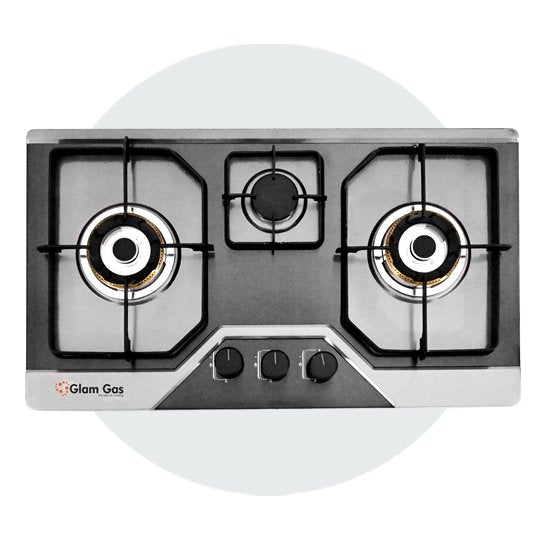
Neither cooker is strictly better here. It really depends on what is being cooked most often. Those planning a more permanent kitchen setup should look into Built-in Hobs, which offer a cleaner, more integrated alternative to portable cookers.
Which One Saves More Electricity
With induction, energy goes directly into the pan. Very little escapes into the air or the surface around it, which is what makes it genuinely efficient. Infrared is still a step ahead of the old coil burners most people grew up with, but some heat does drift outward during cooking.
In Pakistan where electricity costs are already a pressure point for most families, that gap in efficiency is worth paying attention to. Someone cooking two or three times a day will feel that difference over weeks of use.
For someone who only uses the cooker occasionally, the gap matters less. But for daily household cooking, induction simply makes better use of every unit of electricity.
Old Pots vs New Technology
This is where infrared has a clear and undeniable advantage. It works with everything. Aluminium pots, copper pans, ceramic cookware, glass dishes, and all of it sits on an infrared cooker without any issue. Induction is far more selective.
Only magnetic cookware works, and a magnet sticking to the bottom of the pot is the quickest way to test compatibility. The problem is that a large number of Pakistani kitchens rely on aluminium deghchis that have been around for years.
Those simply will not work on an induction surface. Before switching to induction, it is genuinely worth going through every pot and pan in the kitchen. The cost of replacing incompatible cookware can catch households off guard.
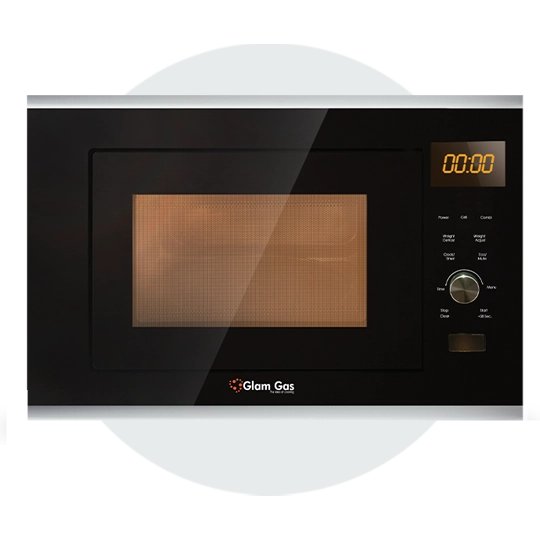
A Built-in Microwave works well alongside either cooker type, handling reheating and quicker meals without adding unnecessary clutter to the counter.
Safety, Maintenance, and Everyday Use
The cool surface on an induction cooker is one of those things that does not sound impressive until it actually matters. A child brushing past the cooker mid-cooking, a spill that would normally sizzle and stick, as these situations are far less dangerous when the surface itself is not hot.
Spills also wipe away easily since there is nothing to bake them onto. Infrared cooktops get hot and stay hot. A spill on an infrared surface that gets left for even a few minutes becomes a scrubbing job.
On the maintenance side, both types have smooth glass-ceramic surfaces that are a significant improvement over traditional gas burners with their grates and crevices. Cleaning either one is far less of a chore than most people expect.
Which One Fits Which Lifestyle?
Honestly, there is no single right answer, and the question is worth sitting with before spending money. Someone who cooks frequently, values speed, and is willing to replace a few pots will find induction genuinely rewarding over time.
Someone who cooks occasionally, has a full set of mixed cookware, or just wants something that works without any fuss will find infrared far more practical from the very first use. Induction demands a little more from the user upfront.
Infrared demands almost nothing and gets out of the way. The better cooker is the one that actually fits how the kitchen is used, not the one with the more impressive list of features.
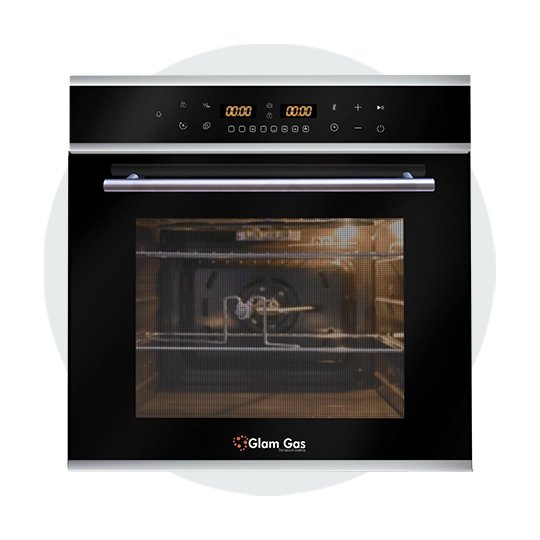
For those looking to build a complete kitchen setup, a Built-in Oven is a natural addition that handles baking and grilling alongside either cooker. Glamgas offers a full range of kitchen appliances designed specifically for Pakistani homes.
Induction Cooker vs Infrared Cooker
|
Feature |
Induction Cooker |
Infrared Cooker |
|
Heating Method |
Electromagnetic, heats pan directly |
Radiant heat through glass-ceramic |
|
Heating Speed |
Very fast |
Moderate |
|
Energy Efficiency |
Higher |
Moderate |
|
Cookware Compatibility |
Magnetic only |
All types |
|
Surface Temperature During Use |
Stays relatively cool |
Gets hot |
|
Safety Level |
High, cool-touch surface |
Moderate |
|
Cleanup Ease |
Easy |
Easy |
|
Best Suited For |
Precision and frequent cooking |
Flexibility and occasional cooking |
FAQs
Can an infrared cooker fully replace a gas stove?
For most everyday cooking tasks, yes. It handles all cookware types and delivers reliable, consistent heat.
Does induction cooking change the taste of food?
Not at all. The food tastes exactly the same regardless of the heating method used.
Is it safe to leave an infrared cooker unattended?
The surface stays hot for several minutes after switching off, so some basic caution is always a good idea.
Which cooker works better for roti or chapati?
Infrared generally works better here. The even heat distribution suits flat tawas commonly used in Pakistani kitchens.
Do these cookers work during load shedding?
No. Both run entirely on electricity and will not function without a stable power supply.
How long do these cookers last with regular use?
Both can last several years with proper care. Infrared models tend to be mechanically simpler and easier to maintain over time.


