




Gas vs Electric Hobs: Which One Actually Wins?

Most people buy a hob based on price and regret it six months later. Gas vs electric hobs is a real debate worth having before spending money. Gas brings live flame and instant heat, electric brings cleanliness and control.
Induction transfers up to 90 percent of energy straight into the pan. That stat matters, but kitchen habits matter more.
Budget, cooking style, and family setup all play a role here. Stick around because the answer is not as straightforward as most buying guides suggest.
How Each Hob Type Works
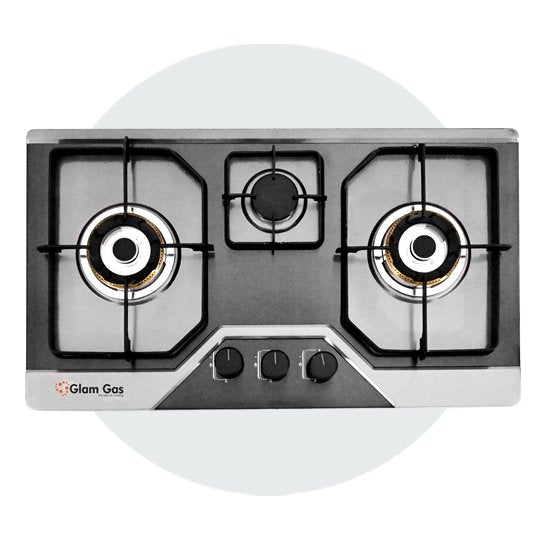
Gas hobs ignite a live flame using LPG or natural gas underneath the pan. Turn the knob and the heat responds within seconds. Electric hobs come in two main types.
Ceramic hobs heat through an element sitting beneath a glass surface. Induction skips heating the surface entirely and energises the pan directly through electromagnetic contact instead.
Cooking Performance
Stir-frying, charring, and searing come out better on a gas hob every time. The flame reacts immediately and drops heat the second the knob moves back. Electric hobs hold steady temperatures better during longer, slower cooking tasks.
Simmering a sauce or melting butter without burning works more reliably on induction. Ceramic electric hobs struggle most when a cook needs to reduce heat fast mid-dish.
Running Costs and Efficiency
Induction sends 85 to 90 percent of its energy straight into the cookware during use. Gas bleeds heat around the sides of pans and loses a noticeable chunk in the process. That said, gas units cost less per unit than electricity across most local markets.
Households cooking heavily on gas sometimes pay less monthly despite that heat loss. Comparing actual local energy rates before purchasing removes a lot of expensive guesswork later.
Safety at Home
Gas hobs bring open flames, combustion gases, and leak risks into the kitchen daily. Carbon monoxide accumulates quickly in a poorly ventilated space without anyone noticing. Induction hobs remove most of those concerns entirely from the equation.
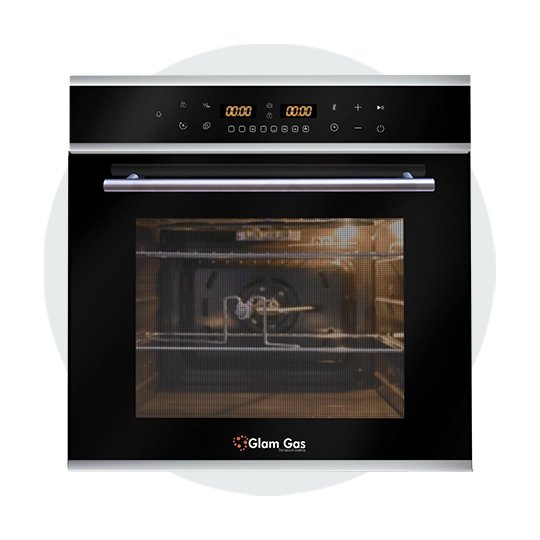
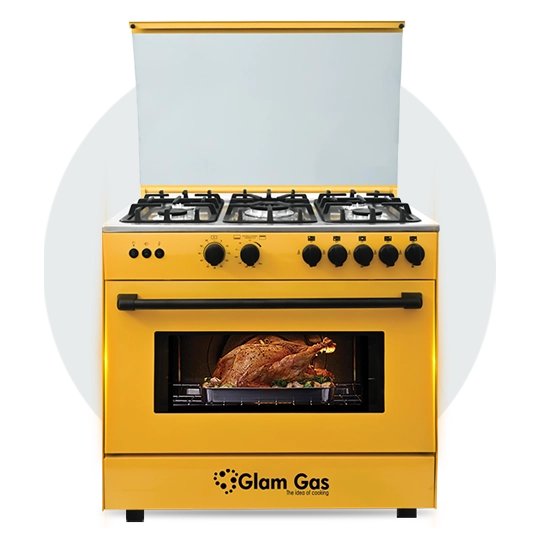
The glass surface stays cool throughout cooking because only the pan itself heats up. Pairing an induction hob with a solid Built-in Oven builds a noticeably safer kitchen for the whole family.
Cleaning and Upkeep
Gas hob grates collect grease fast and burner caps need soaking after most heavy meals. Getting everything clean and reassembled properly takes real time and patience.
Electric hobs need none of that effort after cooking. One wipe across the flat glass surface and the job is done. Induction makes it even simpler because spills sit on a cool surface and never burn on during cooking.
Design and Installation
Gas hobs need an active gas line, and installing one from scratch costs money and adds time. Electric hobs connect to a standard power outlet with barely any setup involved.
Induction and ceramic hobs lie completely flat and blend into modern countertops without much effort. Gas hobs carry a bulkier, more traditional look that suits certain kitchen styles well.
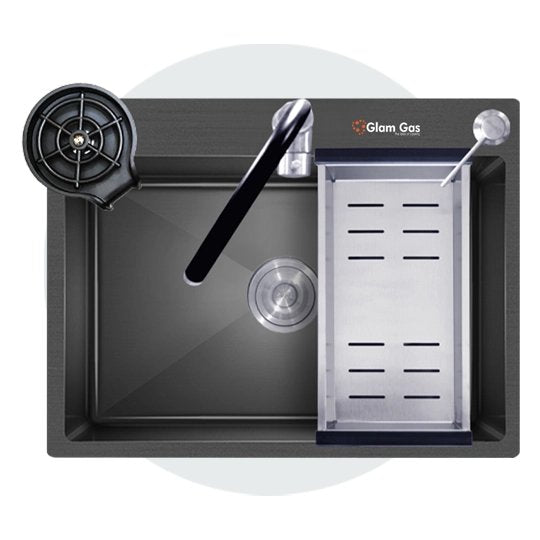
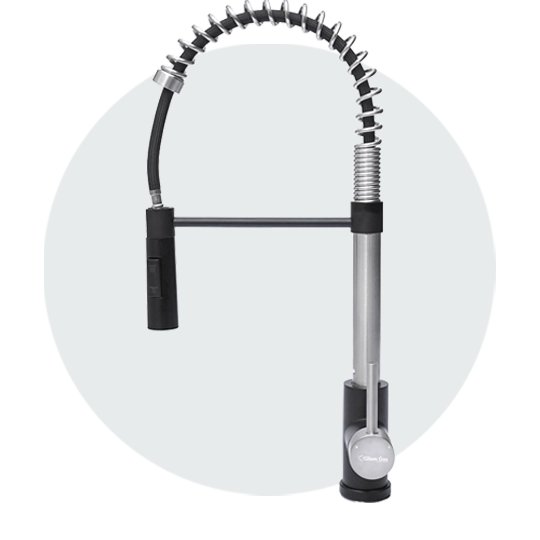
Pairing a flat electric hob with quality Built-in Sinks ties a modern kitchen layout together far more cleanly.
Which Hob Works for Which Household
The gas vs electric hobs decision really comes down to daily cooking habits and home setup.
Gas hobs work well for:
-
Regular cooks who rely on high heat for wok cooking or charring
-
Homes where a gas connection already exists and runs cheaply
-
Cooks who prefer seeing and feeling a live responsive flame
-
Kitchens where local gas rates sit well below electricity costs
Electric hobs work well for:
-
Families with young children or elderly members living at home
-
Households wanting quick and effortless cleaning after every meal
-
Cooks who need steady heat control for sauces and delicate dishes
-
Kitchens where gas supply is unavailable, unreliable, or expensive
FAQs
Is gas cheaper to run than electric?
Gas costs less per unit in most areas, though induction efficiency closes that gap for lighter cooks.
Do induction hobs work with all pans?
Only magnetic cookware functions on induction. Cast iron and stainless steel work fine but copper and plain aluminium do not.
Does gas affect indoor air quality?
Gas combustion releases harmful gases indoors, so running proper kitchen ventilation while cooking becomes genuinely necessary.
Which hob heats up fastest?
Induction reaches temperature quickest, gas follows closely, and ceramic electric hobs come in last by a clear margin.
Are electric hobs pricier upfront?
Entry-level ceramic hobs stay affordable, but good induction models cost noticeably more upfront than comparable gas hobs.
Is gas safe in a small kitchen?
Gas works in compact kitchens only when ventilation is strong. Without airflow, induction is the far safer option.


