




6 Range Hood Styles to Match Any Kitchen Layout

Grease stains creeping across the ceiling, a smoke alarm that won't shut up mid dinner, that fried fish smell still hanging around two days later. These are the small disasters a poorly matched vent hood causes in kitchens every day.
There are 6 range hood styles, and each one fixes a different version of this problem depending on cooktop placement and cooking habits.
Industry data shows cooking is one of the biggest sources of indoor air pollution at home, which proves why getting this choice right actually matters.
So, which one fits a specific kitchen, and which one just looks good in a showroom photo?
Wall-Mounted Hoods
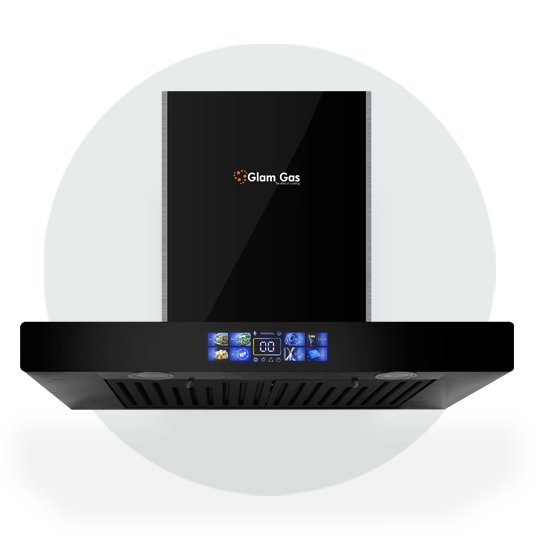
Wall-mounted hoods go directly above a cooktop set against a wall, often shaped like a tapered chimney for that classic look. They suit kitchens that ditched upper cabinets, since the hood becomes the design focal point instead.
Stainless steel stays popular, though matte black and copper finishes are trending now too. Ducting runs straight up, so installation stays simple and airflow stays strong.
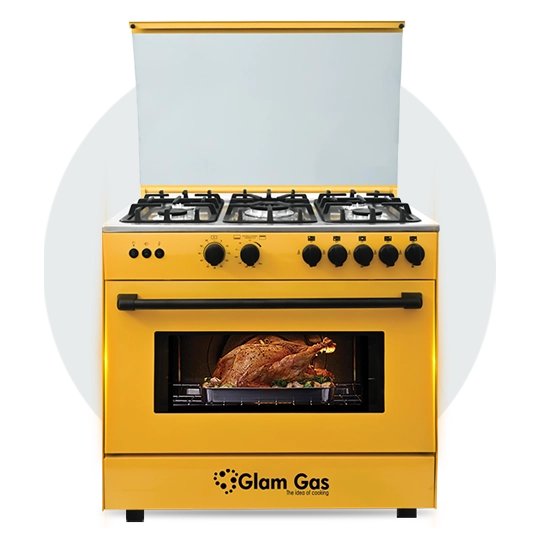
Anyone shopping for a Cooking Range against a wall should pick the hood at the same time for a proper width match.
Island Hoods
Island hoods drop from the ceiling above a cooktop sitting in the open, away from any wall. Since there's no wall to trap rising smoke, these need extra width and a stronger CFM motor to actually work.
Ductwork runs through the ceiling, which can get pricey under a second floor. Still, this style often becomes the showstopper in open kitchen layouts, especially in bold finishes like blackened steel.
Checking ceiling support before buying saves a lot of installation headaches later.
Under Cabinet Hoods
Under cabinet hoods slide beneath existing upper cabinets, making them the cheapest and least disruptive option around. No wall redesign needed, and most fit standard 30 or 36 inch openings without extra carpentry work.
Power runs a bit lower than wall mount or island styles simply due to size. For everyday home cooking rather than heavy commercial style searing, that tradeoff barely matters. Small kitchens, rentals, and tight renovation budgets usually land here first.
Downdraft Hoods
Downdraft systems hide inside the countertop or behind the cooktop, popping up only when cooking starts. Smoke gets pulled downward through floor ductwork instead of upward, keeping sightlines clean across an island.
The catch is physics, since smoke naturally rises, so pulling it down takes more effort and traps less steam overall. Tall pots also block airflow, hurting performance further. Light to moderate cooking suits this style far better than heavy frying or searing.
Insert Hoods
Insert hoods hide inside custom cabinetry or a decorative wood or stone surround built specifically around them. Only the control panel and filters stay visible while the motor disappears inside.
Designers love this look because the kitchen keeps a custom feel instead of a visible metal box.
Cost climbs fast though, since a cabinetmaker has to build the surround to exact measurements. High end remodels with a strong design vision usually justify the extra expense.
Ductless Hoods
Ductless hoods skip outdoor venting completely and just filter air through grease and charcoal filters before pushing it back into the room. No wall cuts, no ceiling ductwork, just a simple retrofit for apartments and older homes.
The downside is charcoal only handles odor, not heat or humidity, and needs swapping every few months. Anyone comparing Range Hood/ Chimney options for a rental without outside venting access usually ends up here.
Making the Final Call
Choosing between these 6 range hood styles comes down to cooktop placement, duct access, and how often heavy cooking happens. A casual home cook needs something very different from someone searing steaks nightly.
Noise matters too, since higher CFM doesn't always mean louder, as sone ratings vary a lot between brands. Comparing finishes, CFM ratings, and venting types side by side makes this decision much less overwhelming.
FAQs
Which range hood style removes smoke best?
Wall mounted and island hoods vent the strongest since they capture smoke as it naturally rises upward.
Is a ductless hood actually worth it?
It works fine for light cooking or homes without outside venting, but skips heat and humidity removal entirely.
How much CFM does a kitchen actually need?
A rough rule is 100 CFM per 12 inches of cooktop width, more for gas or heavy cooking.
Can downdraft hoods fully replace overhead ones?
Yes, but expect weaker performance with tall pots or high heat cooking compared to an overhead hood.
Why do insert hoods cost more?
The custom cabinetry or surround built around them drives up cost, not the insert unit itself.


