




Built-In Oven vs Microwave- Which One Actually Belongs in Your Kitchen?

Most people pick one and assume they have made the right call. But the real question is not which appliance is "better", it's which one matches how you actually cook. A built-in oven vs microwave debate comes down to cooking intent, kitchen space, and daily habits. Understanding the difference up front saves you from buyer's regret later.
Both appliances sit at the center of a modern kitchen. One uses electromagnetic waves to vibrate water molecules directly inside food, the other surrounds food with hot air distributed through a heating element or fan. That single technological gap explains every difference in cooking time, food texture, and energy efficiency between the two.
How Each Appliance Actually Cooks Your Food
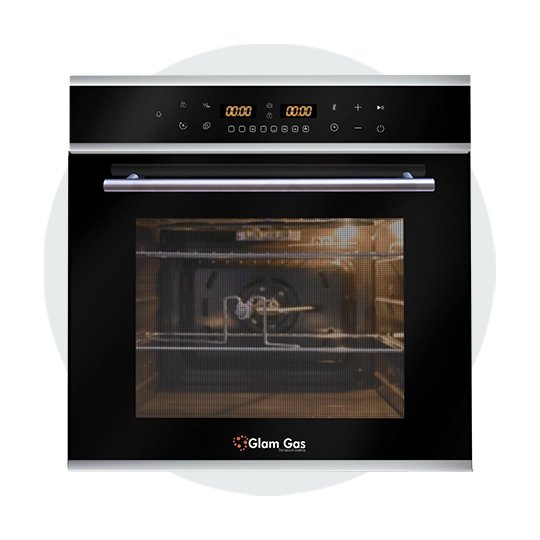
Heat is transferred in a built-in oven by conduction and radiation. Electrically or gas-heats the oven compartment and circulates the heat, sometimes with a convection fan, to ensure even heat distribution. Golden brown croissant, perfect roasted chicken – consistent controlled temperature from all sides.
The microwave, on the other hand, is based on dielectrically heating at 2.45 GHz electromagnetic frequency. The waves enter food and make water molecules vibrate, thus creating heat within the food. Quick, efficient, but it doesn't get browning or crispy surfaces.
Built-In Oven vs Microwave Cooking Functions
When comparing the built-in oven vs the microwave oven, it is most apparent when looking at what each oven can cook. Roasting, baking, grilling and steaming in one unit. You can precisely set the temperature, use single or double ovens, and bake casseroles, pastries, or bread with complete control.
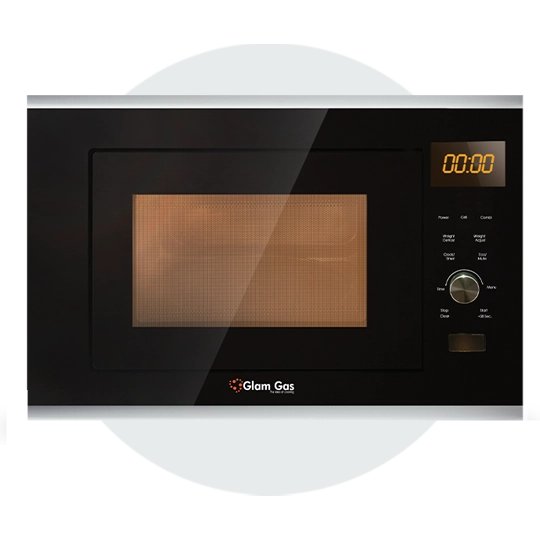
Built-in microwave, on the other hand, is the king of reheating, defrosting and fast cooking. A regular microwave won't bake from scratch or cook by the Maillard reaction, the chemical browning that makes roasted meals absolutely delicious! The convection microwave, however, covers some of that gap with the addition of broiling and baking to its microwave function.
Built-in microwave, on the other hand, is the king of reheating, defrosting and fast cooking. A regular microwave won't bake from scratch or cook by the Maillard reaction, the chemical browning that makes roasted meals absolutely delicious! The convection microwave, however, covers some of that gap with the addition of broiling and baking to its microwave function.
About The Convection Microwave
Not all households can make a choice. A microwave with a convection oven combines the ability to reheat leftovers in minutes with the ability to bake a small cake in the same oven. A great choice for small kitchens with little counter space or niche sizes.
Temperature, Speed, And Energy
Ovens can get up to 500°F (260°C), perfect for baked goods, roasts and anything requiring consistent high heat. Microwave ovens typically reach a maximum temperature of 250°F to 300°F and operate at power settings, not by degrees. This is enough for everyday cooking but not for any type of structural heat.
Microwaves are inescapable when it comes to being quick. They do not need any pre-heating and help to cook the food directly. Ovens require a warm-up time and longer cooking time, but for complex dishes, the results are outstanding. For energy, the microwaves consume much less power since they are on for less time and at lower sustained power. The cost of the energy used by an oven is greater, but output quality and versatility are better.
Size, Integration, And Kitchen Design
Kitchen microwave ovens are not simply the countertop box that they were originally. Modern built-in microwave ovens fit into the cabinetry in a similar way as a built-in oven. Both are also modern looking, sleek and a more appealing look than a free-standing appliance. The integrated look is a definite difference for those building or renovating a kitchen.
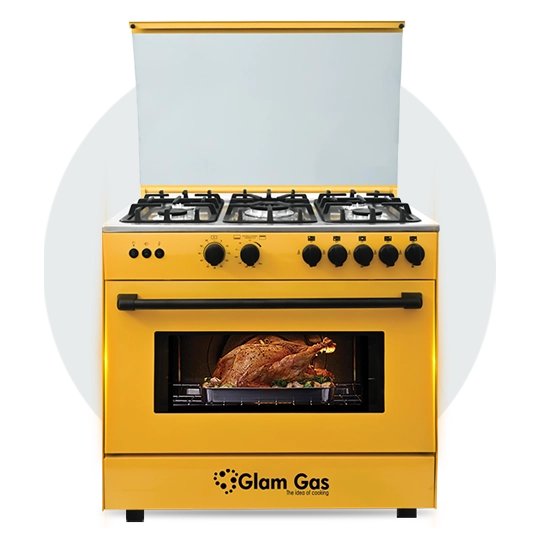
Built-in ovens typically offer larger cooking capacity, useful when cooking for a family or hosting guests. You can even pair a cooking range with a built-in microwave above it for a complete kitchen setup. When choosing a matching set, pay attention to brand consistency, design colors, and niche dimensions so everything lines up cleanly.
So, Which One Should You Get?
If your kitchen life revolves around quick reheating, defrosting, and time-efficient cooking, a built-in microwave oven is your practical daily tool. It's compact, energy-saving, and handles 80% of what most people do in a kitchen on a regular day.
If you bake, roast for a family, or treat cooking as a craft, a built-in oven is non-negotiable. It offers multiple cooking options, precise heat control, and the kind of results a microwave physically cannot replicate. Many smart kitchens use both: a built-in oven for weekend roasts and a built-in microwave for baking small items and weekday convenience. The combination is not a luxury; it's how modern kitchens are designed.


