




T-Shape vs Curved Hood: Which One Wins?

Poor kitchen ventilation can raise indoor air pollutants by up to 400%. Choosing the right hood matters far more than most people realise.
Between the T-Shape vs Curved Hood, the T-shape suits heavy cooking better, and the curved hood fits modern compact kitchens naturally.
Both designs have real strengths, but one clearly wins for Pakistani cooking conditions. Which shape actually survives daily biryani, tarka, and deep-frying sessions?
What Makes a Kitchen Hood Worth Choosing?
A good hood does more than pull smoke away from the stove. It filters grease, removes moisture, and controls strong cooking odours actively. Pakistani kitchens handle high-heat tarka, deep frying, and slow curries daily.
That puts serious pressure on any ventilation system installed above the hob. The two most popular styles today are the T-shape and the curved hood.
Both are chimney-style designs, but their performance and build differ noticeably. A quality Range Hood makes the kitchen feel significantly cleaner after every cooking session.
The T-Shape Hood: Bold, Practical, and Built to Perform
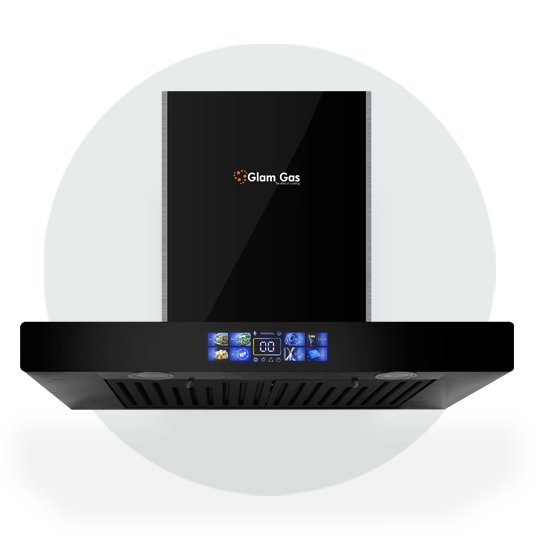
The T-Shape hood gets its name from its wide, flat canopy extending on both sides. This design maximises the smoke and grease capture area very effectively. More pollutants get pulled in before spreading across the ceiling or walls.
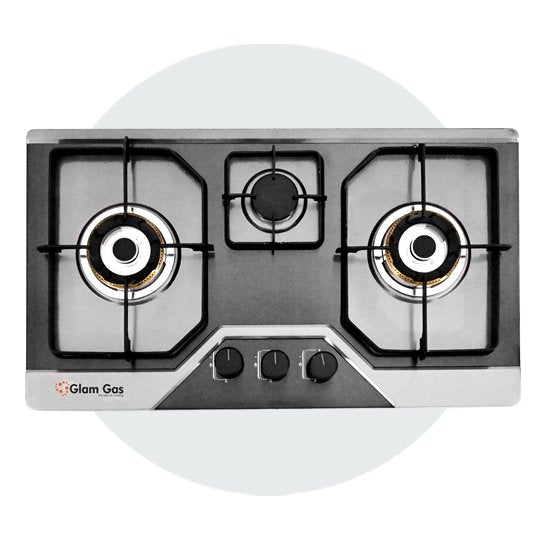
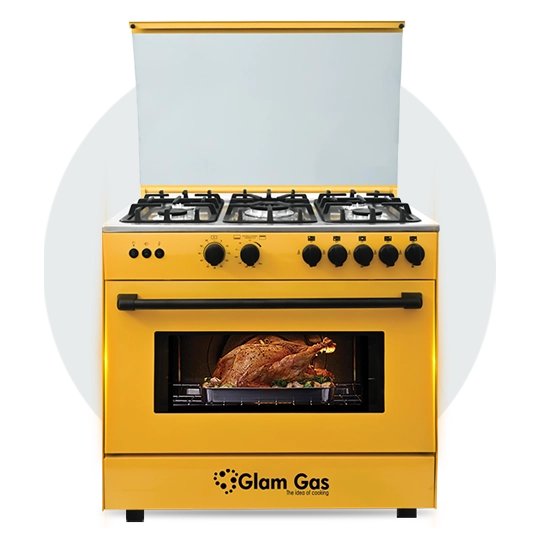
It works best in larger kitchens and open-plan cooking layouts. The T-Shape pairs naturally with a Cooking Range placed against a full wall.
Motor capacity in most T-shape models ranges from 700 to 1200 m³/h. That extra power handles heavy daily Pakistani cooking with ease.
The Curved Hood: Sleek, Modern, and Space-Savvy
The curved hood features a front panel that sweeps forward in a gentle arc. That shape gives it a contemporary look perfect for modular kitchens.
It takes up less visual space and keeps the kitchen feeling open. For compact kitchens, the curved hood fits without dominating the room visually.
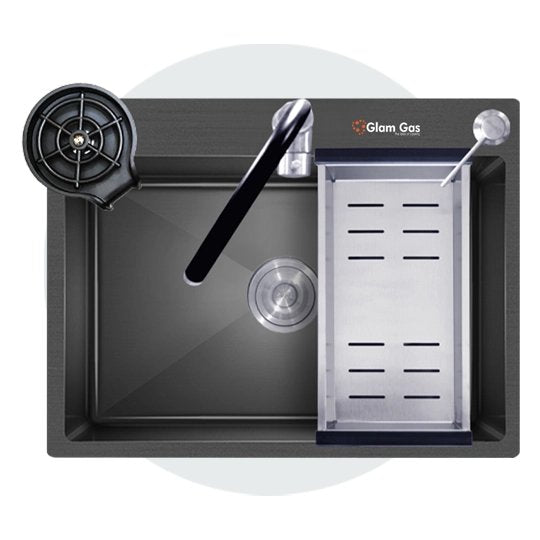
However, the narrower base means a slightly smaller smoke capture area. Installing it at 65 to 75 centimetres above the hob is important. Pairing it alongside Built-in Sinks creates a clean, cohesive modern kitchen layout overall.
Suction Power and Performance: Does Shape Actually Matter?
Shape influences performance, but it is only part of the full picture. Motor quality, filter type, and installation height all contribute equally here. T-shape hoods cover wider cooking surfaces and carry higher suction ratings.
Curved hoods tend to run quieter because of their aerodynamic design. Neither style wins outright without considering the kitchen's actual size and layout. Matching the right hood to the right space always delivers noticeably better results.
Installation and Maintenance: Real-World Considerations
Both hood types require a proper chimney duct running to an external exhaust. T-shape hoods may need slightly more wall clearance during installation. This becomes important in kitchens with upper cabinets placed on both sides.
Maintenance stays fairly similar between the two styles overall. Baffle or mesh filters need cleaning every three to four weeks.
For households with heavy daily cooking, more frequent cleaning maintains stronger suction performance. Regular upkeep also extends motor life significantly over the long run.
Which One Actually Fits Pakistani Kitchens?
Pakistani kitchens vary widely in both size and cooking intensity. A small apartment kitchen operates very differently from a large open cooking space. For heavy everyday cooking with multiple burners running, the T-Shape hood has a clear edge.
Its wider coverage handles traditional Pakistani cooking demands more effectively overall. For moderate cooking in a design-focused kitchen, the curved hood delivers a cleaner, more polished look.
The T-Shape vs Curved Hood decision depends on kitchen size, cooking frequency, and ceiling height. Glam Gas offers a complete range of both hood styles to match every Pakistani kitchen type.
FAQs
Is the T-shape hood louder than a curved hood?
T-shape hoods with high motor power can run louder at full speed. Curved hoods operate quieter overall due to their aerodynamic front panel.
Which hood style suits cooking better?
The T-Shape handles high-heat, heavy-oil Pakistani cooking better with its wider suction coverage.
Can a curved hood work in a larger kitchen?
It can, but a high-suction motor and correct installation height become absolutely essential.
How often should filters be cleaned?
Cleaning every three to four weeks works well for most daily cooking households.
Does duct size affect performance regardless of hood shape?
Yes, a narrow duct limits airflow significantly even with a powerful hood motor installed.


