




Repair or Replace Your Built-In Hob: What Makes More Sense

The kitchen hob works harder than any other appliance in a Pakistani home. From morning breakfast to late-night dinner, it never really gets a day off.
According to appliance experts, daily-use kitchen appliances lose efficiency 30–40% faster than occasional-use ones. Built-in hob problems show up gradually, and the signs pointing toward replacement are easy to miss until things get seriously bad.
So, what actually separates a fixable issue from a hob that is simply done? Knowing that difference saves money, frustration, and a lot of ruined meals.
How Long Should a Built-in Hob Last?
A gas built-in hob typically lasts 10–15 years with proper care. In Pakistani cities like Karachi and Lahore, gas pressure fluctuations cut that lifespan shorter. The constant pressure swings stress burners, igniters, and regulators simultaneously.
A hob that is already eight or nine years old and repeatedly showing problems deserves serious evaluation. Age alone does not decide everything, but it always matters in the repair-versus-replacement conversation.
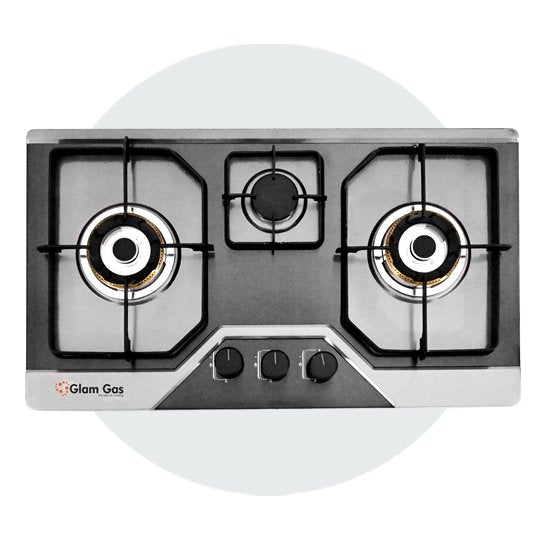
Explore Built-in Hobs at Glam Gas to see what modern, efficient options look like before making any decision.
The Ignition Keeps Clicking but Won't Light
This ranks among the most frustrating built-in hob problems in humid cities like Karachi. Moisture and food debris block the ignition port, and a dry toothbrush usually solves it.
However, if clicking returns every few weeks after cleaning, the ignition switch is failing internally. Replacing one switch makes sense on a newer hob.
Replacing two or three within months signals the hob is deteriorating fast, and repair costs start approaching the price of a new unit.
Flame Is Weak, Uneven, or Dies Mid-Cook
Pakistani cooking demands high, consistent heat for proper stir-frying and searing. A weak or lopsided flame slows cooking down and produces inconsistent results. Clogged burner holes and a faulty thermocouple are the usual culprits here.
Cleaning the burner cap solves it sometimes, but a thermocouple that keeps failing on an older hob reveals deeper wear. When the flame consistently dies mid-cook despite cleaning, replacement is the more honest answer.
Burners Are Showing Rust or Corrosion
Heavy daily cooking means constant spills on the hob surface. Delayed cleaning lets moisture penetrate the metal components underneath. Once rust appears on burner caps or the base, surface cleaning becomes cosmetic at best.
Corroded burners distribute heat unevenly and waste gas noticeably. When corrosion spreads across multiple burners simultaneously, that is a structural problem, not a spot fix, and a clear replacement sign.
The Glass Surface Has Cracked
A cracked glass surface on an electric or induction built-in hob is never a minor issue. Heat causes hairline cracks to expand rapidly during daily cooking.
Beyond looks, a cracked surface exposes internal electrical components and creates a genuine shock risk. Glass panel replacement alone costs 60–80% of a new unit's price.
When other signs already exist alongside the crack, full replacement makes the most financial sense.
Controls Are Unresponsive or Erratic
Knobs that spin without engaging or touch controls activating the wrong burner point to internal wiring failure. This goes beyond surface wear and requires disassembly and part sourcing.
Finding specific control components in Pakistan is often difficult and expensive. A newer hob justifies this repair effort, but an older one with concurrent problems does not. Control failure on an ageing hob is one of the strongest replacement signs.
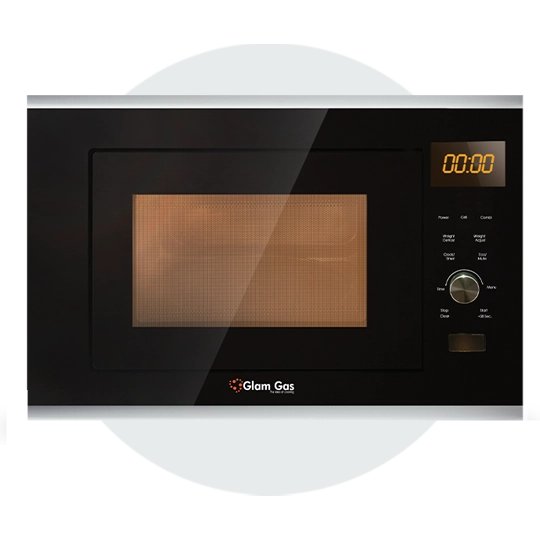
If the kitchen also runs a Built-in Microwave, this is a smart time to evaluate whether the entire kitchen setup needs an upgrade together.
Repair Costs Are Adding Up Fast
A single repair call in Pakistan costs between Rs. 2,000 and Rs. 8,000, depending on parts and city. When repair bills arrive two or three times a year, the math shifts quickly. A quality built-in hob starts at around Rs. 25,000–35,000.
If cumulative repairs have crossed Rs. 15,000–20,000 on the same aging hob, that money bought borrowed time, not reliability. A new unit with a fresh warranty is the smarter investment at that point.
When Replacement Makes More Sense Than Repair
Several factors together make the case for replacement clearly:
- The hob is older than 8–10 years
- The same problems return within months of repair
- Multiple burners need attention at once
- Gas efficiency has visibly dropped
- Repair estimates exceed 50% of a new unit's price
When two or more of these apply together, replacement stops being optional. A modern built-in hob brings better burner design, improved gas efficiency, and a manufacturer warranty that an old repaired unit simply cannot offer.
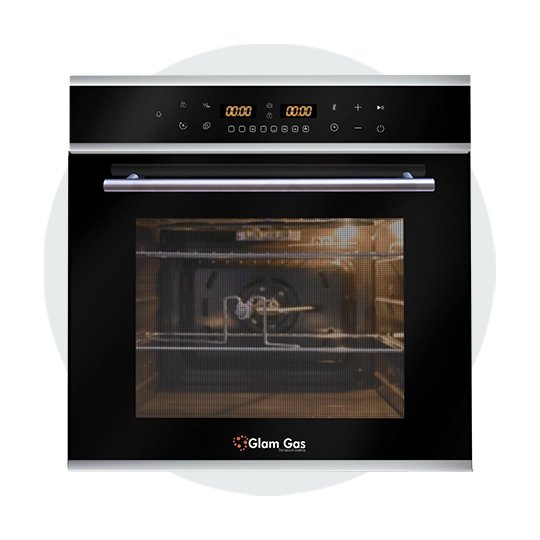
Pairing a new hob with a Built-in Oven upgrades cooking performance and kitchen aesthetics in one practical step.
Making the Right Call
Most built-in hob problems start small and stay fixable for years. But when the signs keep stacking and repairs stop holding, patching the same appliance costs more than replacing it. Take stock of the hob's age, issue frequency, and repair history honestly.
If the numbers point toward replacement, Glam Gas carries a range of built-in hobs suited to Pakistani kitchens and gas systems. Visit Glam Gas and find a model that matches the kitchen setup and the budget.
FAQs
How do I know if my built-in hob problem needs repair or full replacement?
Check the hob's age and how often problems return after repair. Multiple recurring issues on an older hob usually mean replacement costs less in the long run.
Why does my gas hob have weak flames in Pakistan?
Gas pressure fluctuations are common across Pakistani cities and directly weaken burner performance. If cleaning the burners does not fix it, internal components may be failing.
Can a cracked glass hob surface be safely repaired?
A cracked glass surface creates electrical and structural risks that no patch can safely resolve. Full panel replacement or a new unit is the only safe option.
What is the average lifespan of a built-in hob in Pakistan?
A gas built-in hob lasts around 10–15 years under normal use and maintenance. Gas instability and infrequent cleaning can shorten that to 7–8 years.
Are ignition problems always a serious sign?
Not always! Moisture or debris often causes ignition failure and simple cleaning fixes it. Repeated failure after cleaning points to a deeper electrical issue worth addressing.
How much does replacing a built-in hob cost in Pakistan?
A quality built-in hob in Pakistan ranges from Rs. 25,000 to Rs. 80,000 depending on the brand. Frequent repair costs often make replacement the smarter financial choice sooner than expected.


